Table of Content
- How to Trick Out Your iPhone Home Screen in iOS 14
- Pastel Aesthetic iOS Layouts
- Free and Creative Apps to Make Holiday Ecards and Send Christmas Wishes
- How to create or add a widget to a stack
- You can also add them to your iPad
- Move apps and widgets around on your iPhone
- How to use widget stacks
- How to Customize & Resize Widgets in iOS 14
When you want to open an app, swipe down on the Home Screen or tap Search and type the first letter or two of the app you're after. Your iPhone should find it almost immediately; just tap it in the search results to open it. You can always go rooting through the App Library as well. Try these iPhone Home Screen layouts to creatively organize your iOS apps and make them easier to browse and manage. Andrew is CNET's go-to guy for product coverage and lead photographer for Europe.
There’s also a large widget that combines all of that. Widgeridoo is an advanced, block-based widget builder for iPhone. While Widgetsmith gives you customizable templates, Widgeridoo allows you to customize and control the entire widget. Sticky Widgetstransfers those little pink and yellow Post-its from your desk to your iPhone’s Home screen. You can add a widget in small, medium, or large, and then add some text to it right from the Home screen.
How to Trick Out Your iPhone Home Screen in iOS 14
Drag the app or widget to the right edge of the screen. You might need to wait a second for the new page to appear. The dots above the Dock show how many pages you have and which one you’re viewing. While the apps are still jiggling, move the widget where you want it on the screen, then tap Done.

How to construct a unique iOS 14 home screen? Select an acceptable backdrop and then build it with unusual content. This is one of the intelligent ways of robbing attention.
Pastel Aesthetic iOS Layouts
If there’s not enough room for a new widget, you can tap the Remove button to remove a widget and make room for the one you want to add. Swipe up and down on your stack to access all of the widgets that have been placed within it. Once you are finished, drag and drop the widgets on top of each other to create a Widget Stack. Tap Add Action and search for the Open App action, then tap App and select the app you want to open. Download or create the app icon you want to use.
For example, it could show you how many days in a row that you've used your jump rope. With the widget, you can pick habits you're working on and show them right on your home screen. When you’re done, tap Done on the top right of your screen and you will exit the menu. Tap the checkmarks to select or deselect each Home Screen, choosing whether to hide it or not.
Free and Creative Apps to Make Holiday Ecards and Send Christmas Wishes
It gives you access to the entire Apple Music library, along with all your playlists. It also has interactive widgets that allow you to play, pause, and change tracks. Scroll or search to find the widget you want, tap it, then swipe left and right through the size options.
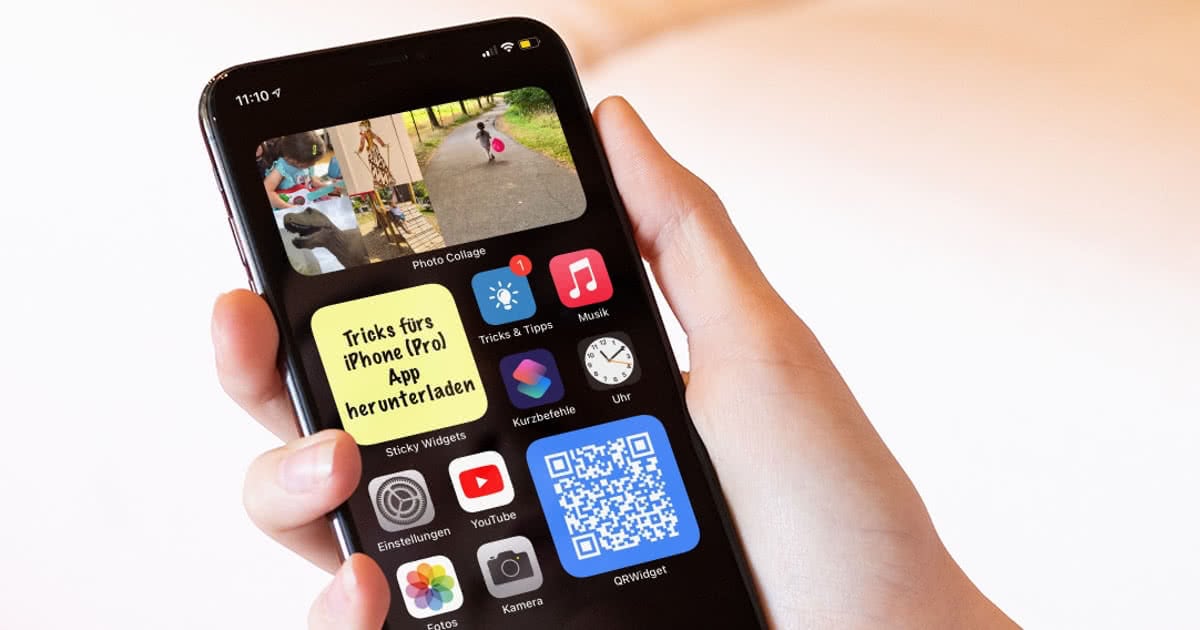
IOS 14 allows you to add widgets for almost any iPhone app and display its information on the home screen. Also, you can group iPhone widgets into neat Smart Stacks to customize your iPhone home screen and glance at the most important information throughout the day. Learn how to add custom widgets and change app icons. The home screen widgets that come with the app show a rotating carousel of memories, picked out by Google’s AI as being the best photos and videos you’ve got.
How to create or add a widget to a stack
Touch and hold the app icon, then tap Delete App. Apple has some great widgets to choose from. Not all of them will have amazing selfies by me in them. The way we access library books has drastically changed. You can access an enormous amount of borrowable content through an iPhone or iPad app — here's how. There is also data provided on storage, such as volume remaining and estimates of how much of different kinds of media you can add to it.

When you install new apps, they'll be added to your App Library, but you can change where new apps get downloaded. With the introduction of iOS 14 and continuing into iOS 15, Apple introduced home screen widgets. These add-ons provided immediate data and access to apps and features without needing to open up a specific app beforehand. You’ll then see a list of suggested widgets and apps that support them. Tap one to see all the available widgets.
Once you have the widgets nailed down, it’s time to customize those app icons. To do this, all you need is an image file and the Shortcuts app. While Widgeridoo is quite extensible, it’s a bit tricky to use.
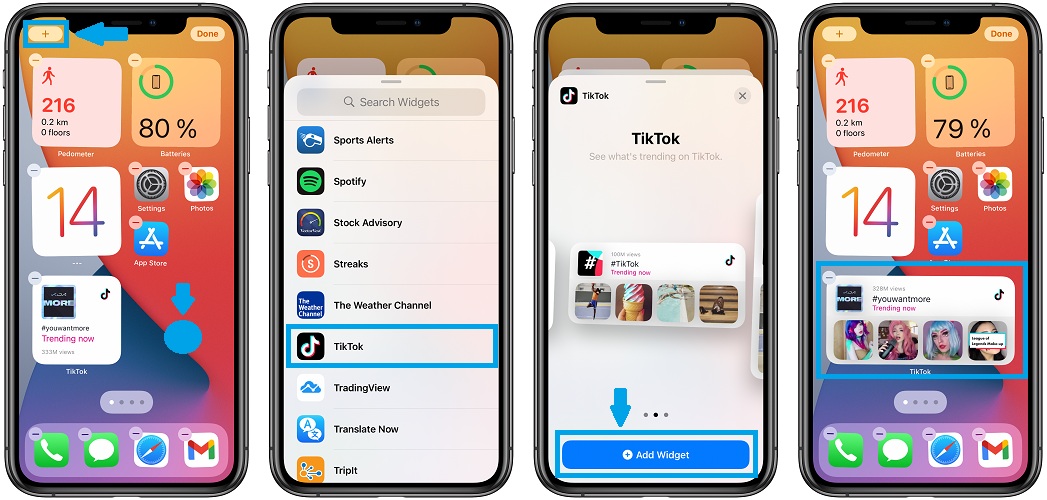
Lifewire is part of the Dotdash Meredith publishing family. Use the different options to tune the widget to your specific needs. Tap the + button in the upper-left corner of the screen. Tap and hold anywhere on your Home screen to enter edit (also known as 'jiggle') mode.



No comments:
Post a Comment